
May 26, 2026
How cybersecurity GTM teams are adapting to a more informed buyer
In addition, cybersecurity is no longer viewed solely as an IT issue, which means buying decisions now involve multiple stakeholders across security, technology, finance, procurement, and risk. At the same time, buyers have access to more information than ever before, from analyst reports and peer reviews to online communities and AI-assisted research.
As a result, cybersecurity vendors are no longer selling into an information gap. They are selling into an environment where buyers arrive informed, opinionated, and expecting relevance from the very first conversation, and often with a shortlist of vendors in mind. Rather than relying on vendors to educate them, they are evaluating relevance, comparing solutions, and asking questions to better understand the trade-offs between products.
However, better informed does not necessarily mean greater clarity.
What high-performing GTM teams are doing differently
B2B buyers still need to be guided through the buying journey but the role of the GTM team is different. High-performing GTM teams recognize that buyers do not need more information. They need clarity, context, and confidence in their decision-making.
Product-first messaging and marketing in this instance is no longer as effective as it once was. There has been a clear shift for some time toward customer-led messaging.
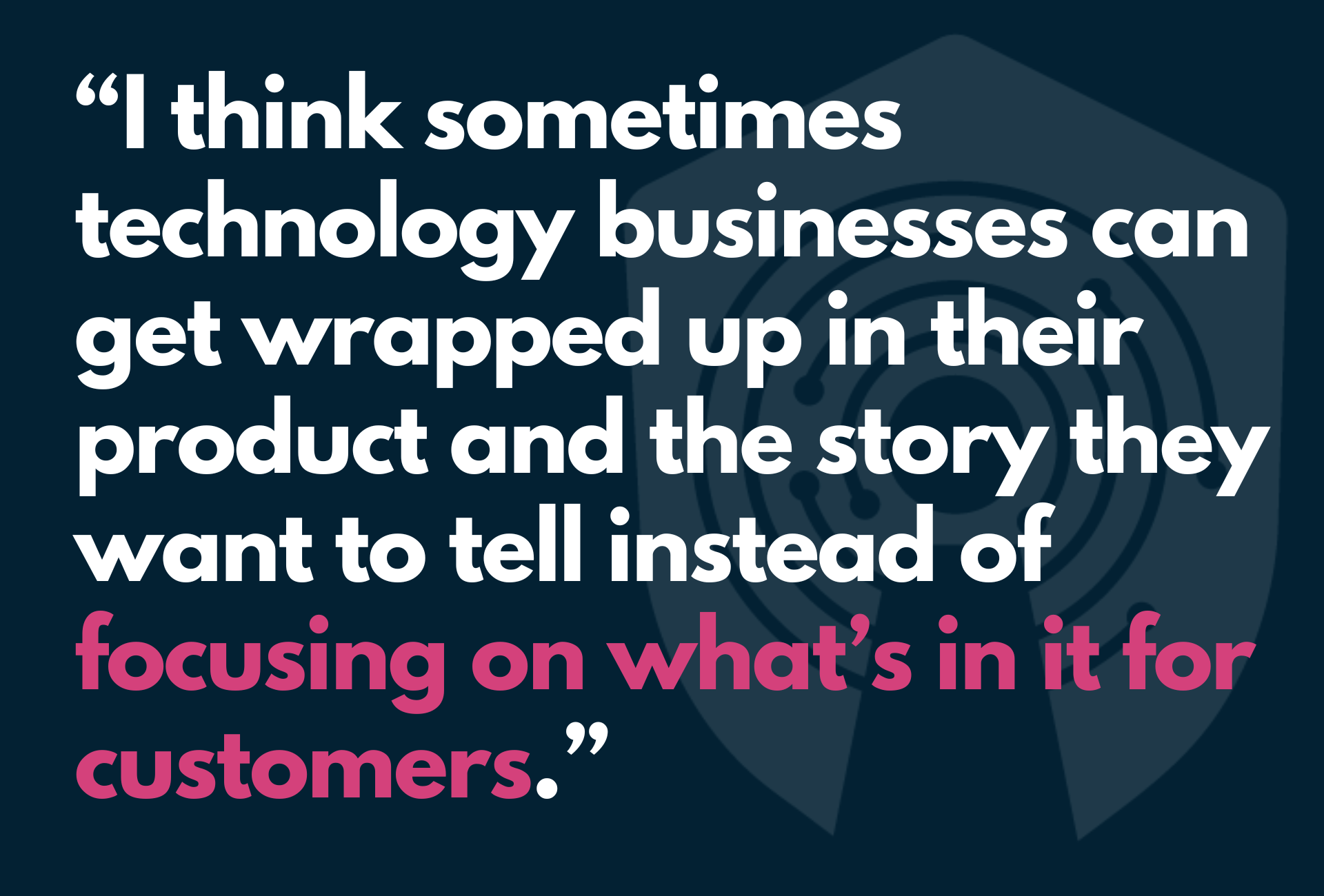
According to Claire Pitman-Massie VP of Field, Digital and Channel Marketing, EMEA for Ping Identity, relevance is the key word here: “I think sometimes technology businesses can get wrapped up in their product and the story they want to tell instead of focusing on what’s in it for customers… you need to be pertinent and relevant to the people that you are talking to. That is not just around their particular market but showing a real understanding of what’s going on in their vertical and the challenges they are facing”.
More and more, GTM teams need to think beyond communicating value and include relevance. Whether that covers operational impact, resilience, business risk, usability or efficiency. And this is even more important if the buyer already has multiple tools with multiple dashboards.
Buyers want to understand:
- Why a solution matters
- Where it fits within their environment
- What it can simplify, consolidate, or improve
One-size-fits-all messaging no longer works. For the simple reasons that different industries have different pain points, SMB and enterprise buyers behave differently, and technical and executive stakeholders look for different things in the sales conversation.
Or as Mark Terry, Head of Marketing for CyberOne says: “The opportunity here is in … focusing more on business outcomes than technical jargon. Our approach is how do we add value to their business? It’s about how we move the dial from protection to resilience.”
The changing profile of cybersecurity GTM talent
As buyer expectations and behavior evolve, so must hiring priorities. Cybersecurity companies increasingly need a different kind of GTM specialist, one with strong discovery skills, commercial empathy, consultative expertise, and technical curiosity.
For Ed MacNair, CEO of TrustLayer, there are three vital elements for GTM success: integrity, actively listening to customers and understanding their needs and “understanding how your customer is affected by cybersecurity, the solutions they choose and understanding the consequences of not getting it right.”
In short, strong GTM teams are staffed with professionals who can ask better questions, understand nuance, build trust and navigate multiple stakeholders with ease.

Ultimately, the companies that succeed won’t just be those with the best products, but those with GTM teams capable of building credibility, navigating complexity, and earning trust over time.
Conclusion
Today’s cybersecurity buyers don’t need vendors to simply explain what a product does. They need partners who understand their environment, their pressures, and the trade-offs involved in making the right decision.
That shift is reshaping the role of GTM teams across the industry. The most effective teams are no longer acting purely as sellers or educators, but as translators of complexity, helping buyers navigate crowded markets, multiple stakeholders, and increasingly high-stakes decisions.
For cybersecurity companies, this has implications far beyond messaging alone. It affects how teams are structured, how talent is hired, and what skills define success in modern GTM environments.
Ultimately, the companies that stand out won’t necessarily be those with the loudest messaging or the longest feature list. They’ll be the ones whose GTM teams can build relevance, credibility, and confidence throughout the buying journey.
With market expectations changing daily, GTM teams need to adapt quickly to remain effective. If you’re looking to build or expand your GTM team to meet these demands in a way that extends your runway without holding you back – take a look at our Pay As You Grow model.
Or if you’re a modern cybersecurity GTM professional looking for your next challenge, find out how we help.